Beyond Rust: Unpacking What Premier Myrtle Growing Guides Truly Offer
For enthusiasts eager to cultivate the charming myrtle, a fragrant evergreen shrub cherished for its delicate flowers and aromatic foliage, the journey often begins with foundational growing guides. These resources are invaluable, charting a course for successful establishment and vibrant growth. However, a curious gardener delving into these fundamental texts might notice a significant omission: detailed information about myrtle rust disease. While top-tier guides excel at teaching the essentials of myrtle care, they frequently don't delve into this specific, yet increasingly important, fungal threat.
This article aims to bridge that gap, exploring what traditional myrtle growing advice *does* teach and then venturing beyond to discuss the critical implications of myrtle rust disease – a topic often found outside the scope of general cultivation instructions. By understanding both the foundational principles and emerging challenges, you can foster truly resilient and thriving myrtle plants.
The Core Lessons from Premier Myrtle Growing Guides
When you consult esteemed horticultural resources, their primary focus is on establishing a healthy myrtle from the ground up. They emphasize environmental factors, proper planting techniques, and ongoing maintenance that promotes overall vigor. This robust foundation, though not explicitly addressing disease, implicitly builds a plant's natural defenses.
Understanding Myrtle: Varieties and Uses
Most comprehensive guides begin by introducing the diverse world of myrtle. They highlight popular varieties such as Myrtus communis (common myrtle) and its various cultivars, distinguishing them by size, leaf variegation, or flower characteristics. You'll learn that myrtles are typically Mediterranean natives, thriving in similar climates and appreciated for their:
- Ornamental Value: Small, dark green, glossy leaves; delicate white or pinkish flowers with prominent stamens; and often bluish-black berries.
- Aromatic Qualities: The leaves and flowers release a pleasant fragrance when bruised, making them popular in potpourri, essential oils, and even culinary applications (though always verify edibility for specific species).
- Versatile Landscaping: Suitable for hedges, specimen plants, container gardening, or even bonsai due to their dense growth habit and ability to be pruned into various shapes.
Understanding your specific myrtle variety is the first step towards tailored care, ensuring you meet its particular needs regarding mature size, hardiness, and light requirements.
Laying the Foundation: Planting and Care Essentials
The bulk of any quality myrtle guide will meticulously detail the practical steps for cultivation. These are the tried-and-true methods that ensure your myrtle not only survives but flourishes:
- Site Selection and Soil: Myrtles prefer a sunny to partially shaded location. They are adaptable but truly thrive in well-drained soil, ideally slightly acidic to neutral. Guides stress amending heavy clay soils with organic matter to improve drainage and aeration, preventing root rot – a common issue for many shrubs.
- Planting Technique: Proper planting is paramount. This involves digging a hole twice as wide as the root ball but no deeper, ensuring the plant's crown is level with or slightly above the surrounding soil. Watering thoroughly after planting helps settle the soil and eliminate air pockets.
- Watering Regimen: While established myrtles are relatively drought-tolerant, young plants require consistent moisture. Guides advise deep, infrequent watering to encourage a strong root system, rather than shallow daily sprinkles. Monitoring soil moisture is key; allow the top few inches to dry out between waterings.
- Pruning for Shape and Health: Regular pruning is essential for maintaining a desirable shape, promoting bushier growth, and removing dead or diseased branches. This is typically done after flowering. Light shaping can be done throughout the year, but major cuts are best reserved for late winter or early spring before new growth emerges.
- Fertilization: Myrtles are not heavy feeders. A balanced, slow-release fertilizer applied in spring is usually sufficient, or simply enriching the soil with compost. Over-fertilization can lead to lush, soft growth that is more susceptible to pests and diseases – a subtle but important piece of preventative advice.
- Pest and Disease Monitoring (General): While myrtle rust disease might not be explicitly named, guides will universally recommend vigilance for common garden pests like aphids or scale, and general fungal issues like powdery mildew. Early detection and treatment are always emphasized.
These foundational practices are crucial. They create a robust, stress-free environment for your myrtle, which is the first line of defense against any potential health threat.
The Unspoken Threat: Why Myrtle Rust Disease Is Often Absent
The glaring absence of myrtle rust disease in many established myrtle growing guides, as noted in various horticultural sources, isn't necessarily an oversight but rather a reflection of the evolving landscape of plant pathology. Top-tier, comprehensive resources like those from Better Homes & Gardens or general botanical encyclopedias may focus on timeless, universal care principles for the species as a whole, rather than detailing every specific regional or emerging threat.
Regionality, Novelty, and Shifting Landscapes
There are several reasons why this particular disease might not feature prominently in broad, foundational texts:
- Geographic Specificity: Myrtle rust disease (caused by the fungus Austropuccinia psidii, formerly Puccinia psidii) is particularly prevalent and impactful in certain regions, notably Australia, New Zealand, and parts of the Americas and Asia. Guides written for a global audience might prioritize generalized advice over highly localized threats.
- Recent Emergence/Spread: While the fungus itself has been known for a long time, its aggressive spread to new continents and its devastating impact on specific plant families (Myrtaceae, which includes myrtle, eucalyptus, and many others) is a relatively more recent phenomenon in some regions. Many older, established gardening books may predate its widespread recognition as a major threat in those areas.
- Focus on Basics: Introductory guides aim to provide a solid framework for cultivation. Including every potential specific disease might overwhelm new gardeners or detract from the core principles of soil, water, and light that are universally applicable.
This means that while a guide might teach you how to plant a myrtle perfectly, it won't necessarily equip you with the specific knowledge to identify and combat a newer, highly virulent pathogen like myrtle rust disease.
The Silent Impact: What Myrtles Truly Face
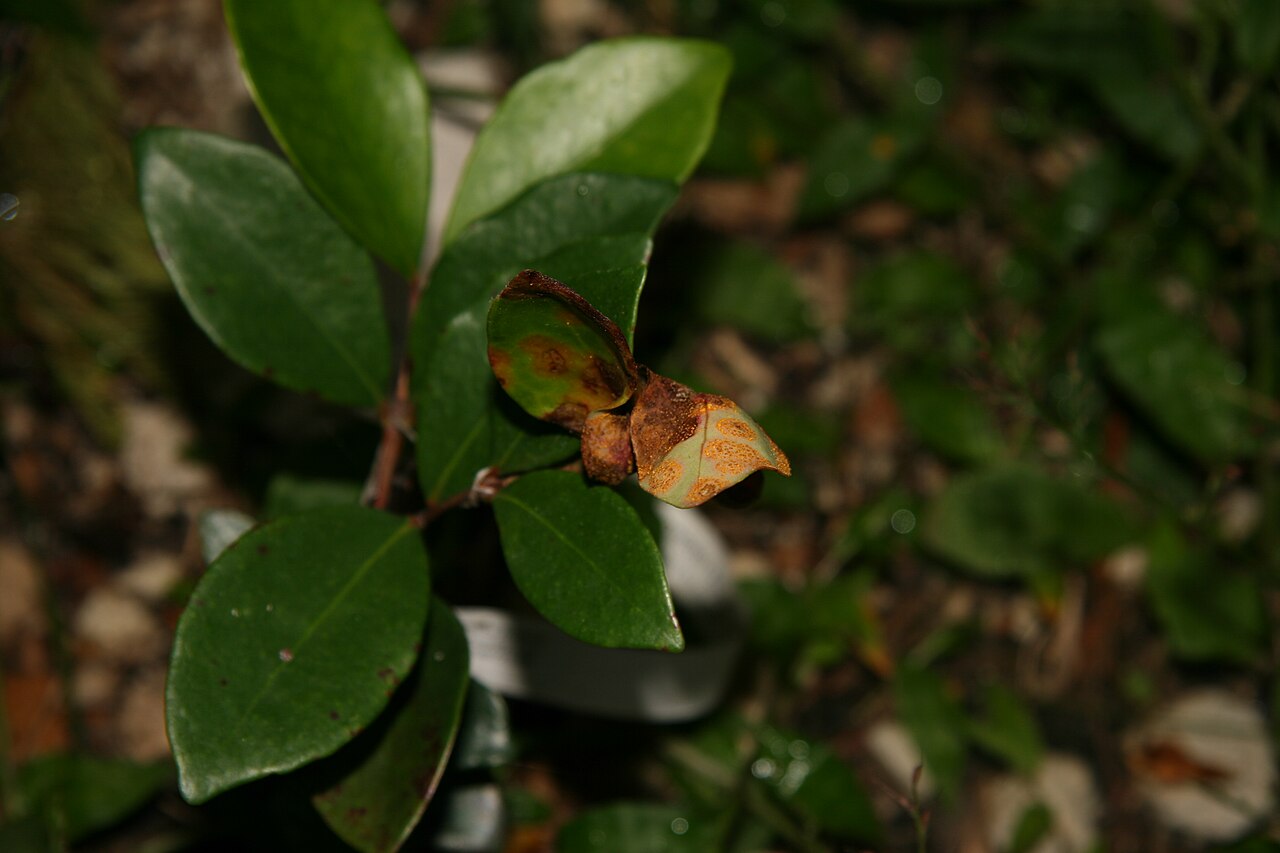
Unlike common issues that might just weaken a plant, myrtle rust disease can be devastating. It affects new growth, leaves, stems, and fruits, causing:
- Yellow, orange, or reddish-brown powdery spots (spores) on young leaves and shoots.
- Distortion and buckling of leaves.
- Premature defoliation.
- Dieback of young stems.
- In severe cases, plant death, especially in susceptible species or young plants.
Its ability to spread rapidly via wind-borne spores, clothing, and equipment makes it a serious biosecurity concern in affected regions, threatening native ecosystems and horticultural industries alike. For more detailed information on this topic, you might want to explore resources like Myrtle Rust Disease Info: Not Found in These Sources.
Proactive Steps: Guarding Your Myrtles Against Rust and Other Ills
Given the potential severity of myrtle rust disease, a gardener dedicated to their myrtles must extend their knowledge beyond the foundational guides. This involves specific vigilance and, if necessary, targeted intervention.
Identifying Myrtle Rust: Symptoms and Early Detection
The key to managing myrtle rust disease is early identification. Regularly inspect your myrtle plants, particularly new growth, during periods of high humidity and moderate temperatures (conditions favorable for fungal development). Look for:
- Characteristic Pustules: Small, bright yellow to orange, powdery spore masses that often appear on the underside of young leaves, new shoots, and flower buds. These pustules darken to a reddish-brown over time.
- Leaf Distortion: Infected leaves may become distorted, curled, or stunted.
- Dieback: Severe infections can lead to the blackening and dieback of young stems and tips.
If you suspect myrtle rust, isolate the affected plant if possible and consult with a local horticultural extension service or plant pathologist for confirmation and advice. Do not attempt to move infected plant material to other areas.
Cultivating Resilience: Integrated Pest Management
While chemical fungicides exist for severe outbreaks, an integrated approach combining cultural practices and biological controls is often more sustainable and effective in the long run. This builds upon the strong foundation provided by general growing guides:
- Choose Resistant Varieties: Where available, select myrtle varieties known to have some resistance to myrtle rust disease. Research local recommendations.
- Optimal Plant Spacing: Ensure good air circulation around your myrtles. Overcrowding creates humid microclimates that favor fungal growth. Pruning for an open canopy also helps.
- Sanitation: Regularly remove and safely dispose of infected plant material. Do not compost it; seal it in bags and send it to landfill or incinerate where permitted. Disinfect pruning tools with a 10% bleach solution or rubbing alcohol after each use, especially between plants.
- Watering Practices: Water at the base of the plant in the morning, allowing foliage to dry quickly. Avoid overhead irrigation, which can splash spores and prolong leaf wetness.
- Nutrition: Avoid excessive nitrogen fertilization, which encourages soft, succulent growth highly susceptible to rust fungi. A balanced feeding regime promotes tougher, more resistant tissues.
- Monitoring and Early Action: Consistent vigilance is your best defense. Catching the disease early allows for more targeted and less impactful interventions.
In conclusion, while the cornerstone of myrtle cultivation lies in the fundamental growing guides that teach us about varieties, planting, and general care, a complete understanding today requires us to look "beyond rust." These foundational texts provide the essential blueprint for a healthy plant, but the contemporary gardener must also be equipped with the knowledge of specific threats like myrtle rust disease. By combining robust general care with targeted awareness and proactive management, we can ensure our beloved myrtles continue to thrive, fragrant and beautiful, for years to come.