The Curious Case of Missing Information: Why General Guides Overlook Myrtle Rust
Searching for comprehensive information on cultivating the enchanting myrtle tree often leads to a wealth of resources detailing everything from ideal soil conditions and watering schedules to pruning techniques and common pest control. You'll find articles extolling the virtues of myrtle's fragrant blossoms, its evergreen foliage, and its adaptability as a hedge or specimen plant. However, a glaring omission frequently surfaces when investigating a specific, devastating threat: myrtle rust disease.
Our own research, echoed by the experiences of countless gardeners and conservationists, reveals a consistent pattern: leading guides on myrtle cultivation — be it from horticultural institutions, gardening magazines, or plant encyclopedias — often provide no content whatsoever about Myrtle Rust Disease Info: Not Found In These Sources. This absence is puzzling, especially considering the significant environmental and economic impact of this fungal pathogen in affected regions. So, why do these otherwise thorough resources remain silent on such a critical issue?
Regional Focus vs. Global Threat
One primary reason for this informational gap lies in the regional focus of many gardening guides. Myrtle (Myrtus communis) is native to the Mediterranean basin, and many foundational articles are written from the perspective of its natural habitat or established cultivation areas in Europe and temperate parts of North America. In these regions, myrtle rust disease (caused by the pathogen Austropuccinia psidii) may not be a prevalent or even present threat.
Conversely, in places like Australia, New Zealand, and parts of the United States (particularly Florida and Hawaii), myrtle rust is an aggressive invasive disease. It devastates native Myrtaceae species, including iconic plants like eucalyptus, bottlebrush, and lilly pilly, alongside cultivated myrtle varieties. A guide written for a European audience, where myrtle rust is not endemic or widespread, naturally wouldn't prioritize a discussion of a disease that isn't a local concern.
General Care vs. Specialized Pathology
Another factor is the scope of a typical gardening guide. Most resources aim to provide a broad understanding of plant care — how to plant, water, fertilize, and prune. They touch upon common problems like aphids, spider mites, or generalized fungal issues like powdery mildew, which are ubiquitous across many plant species. Myrtle rust disease, however, is a highly specific, often biosecurity-level threat that primarily targets plants within the Myrtaceae family.
The intricate details of its life cycle, spread, and management often fall into the realm of specialized plant pathology or government agricultural advisories, rather than a general "how-to" for home gardeners. As we explored in Beyond Rust: What Myrtle Growing Guides Actually Teach, these guides typically focus on fundamental horticultural practices, leaving highly specific, invasive disease warnings to more targeted information sources.
The Evolving Nature of Invasive Species
The pathogen Austropuccinia psidii originated in South America and has only relatively recently spread to other continents, making it an "emerging" or "invasive" threat in many new territories. This means that older, established gardening books and websites — even those considered "top guides" — might simply predate the widespread impact of myrtle rust disease in certain regions. Updating vast compendiums of plant information can be a slow process, leading to a lag between the emergence of a new threat and its inclusion in published resources.
This dynamic situation highlights the challenge of keeping static information current in a rapidly changing ecological landscape. While a guide from a decade ago might still be perfectly valid for basic myrtle care, it will inevitably miss newly arrived invasive threats.
Understanding Myrtle Rust Disease: What Top Guides *Should* Mention
Given its significant impact, it's crucial for gardeners, horticulturists, and conservationists in affected regions to understand what myrtle rust disease is, even if their go-to general guides don't mention it. This knowledge empowers proactive identification and management.
What is Myrtle Rust?
Myrtle rust disease is caused by the fungus Austropuccinia psidii (formerly known as Puccinia psidii or guava rust). It is a highly destructive pathogen that specifically attacks plants belonging to the Myrtaceae family. Originally from South and Central America, it has now spread to many parts of the world, including Africa, Asia, North America, and particularly devastatingly, Australia and New Zealand.
- Host Range: Its host range is incredibly broad within the Myrtaceae family, affecting over 3000 species worldwide. This includes commercial crops like guava and eucalyptus, as well as iconic ornamental and native plants such as bottlebrush (Callistemon), tea tree (Melaleuca), lilly pilly (Syzygium), and indeed, the common myrtle (Myrtus communis) and its relatives.
- Spread: The disease spreads rapidly via microscopic spores dispersed by wind, rain, insects, animals, contaminated clothing, and infected plant material. Its ability to travel long distances makes containment exceptionally challenging.
Identifying the Symptoms
Early and accurate identification is paramount in managing myrtle rust disease. Gardeners in at-risk areas should regularly inspect their myrtle plants, especially new growth, for tell-tale signs:
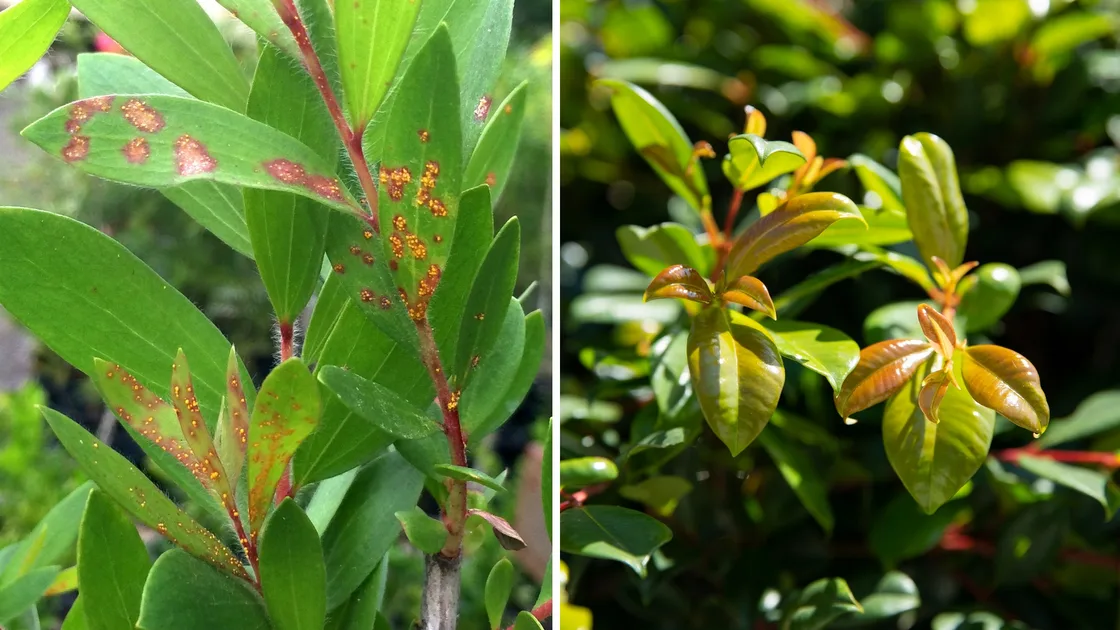
- Yellow/Orange Pustules: The most distinctive symptom is the appearance of bright yellow, orange, or reddish-brown powdery spots (pustules) on young leaves, shoots, flower buds, and sometimes even fruit. These pustules are filled with fungal spores.
- Leaf Distortion and Malformation: Infected leaves may become distorted, curled, or puckered. Severe infections can lead to leaf death and premature shedding.
- Shoot Dieback and Stunted Growth: Young shoots and growing tips can be killed, leading to tip dieback and a general stunting of the plant's growth.
- Reduced Flowering and Fruiting: Heavy infections can significantly reduce a plant's ability to flower and produce fruit, impacting both aesthetic value and reproductive capacity.
- Plant Death: In susceptible species, especially young plants or those under stress, repeated severe infections can ultimately lead to the death of the entire plant.
The Devastating Impact
The implications of myrtle rust disease extend far beyond a few unsightly spots on a garden plant:
- Biodiversity Loss: In ecosystems rich in Myrtaceae species, such as Australia's bushlands, myrtle rust poses an existential threat to numerous native plants, potentially leading to species extinction and significant ecological disruption.
- Horticultural and Economic Losses: Nurseries, commercial growers, and the landscaping industry suffer considerable losses due to unsaleable stock, increased management costs, and reduced productivity of fruit-bearing Myrtaceae.
- Changes to Ecosystems: The loss of key Myrtaceae species can alter habitat structure, impact food sources for wildlife, and change fire regimes in affected areas.
Protecting Your Myrtle: Practical Steps Beyond General Advice
While general myrtle guides offer valuable insights into basic plant care, they often fall short on specific strategies for combating threats like myrtle rust disease. For gardeners in regions where this pathogen is present, proactive measures are essential.
Vigilance and Early Detection
Regularly inspecting your myrtle plants is your first line of defense. Focus on new growth, as young, tender tissues are most susceptible to infection. Become familiar with the symptoms — bright yellow, powdery pustules are a major red flag. Catching an infection early can significantly improve management outcomes.
Biosecurity Best Practices
Preventing the introduction and spread of myrtle rust disease relies heavily on good biosecurity:
- Source Responsibly: Always purchase myrtle plants from reputable nurseries that guarantee disease-free stock. Inquire about their biosecurity protocols for myrtle rust.
- Sanitize Tools: Disinfect pruning shears, loppers, and other gardening tools after use, especially between different plants. A solution of bleach (1:10 dilution with water) or methylated spirits can be effective.
- Contain Infected Material: If you identify infected plant parts, prune them immediately and dispose of them carefully. Seal them in plastic bags and put them in general waste; avoid composting, as spores can survive.
- Clean Clothing and Footwear: Spores can hitch a ride on clothing and shoes. If you've been in areas known to have myrtle rust, wash your clothes and clean your footwear before moving to another garden or natural area.
Management and Reporting
If you discover myrtle rust disease on your plants:
- Pruning: For minor infections, carefully prune off affected branches and dispose of them as described above. Ensure you sterilize your tools immediately afterward.
- Fungicides: Chemical controls are an option, but their effectiveness can vary. Systemic fungicides may offer some protection, but they are often a last resort and should be used strictly according to label instructions. Always consult with a local horticultural expert or agricultural department for specific recommendations, as regulations and suitable products vary by region.
- Report Suspected Cases: This is critically important, particularly in areas where the disease is newly established or being monitored. Your local agricultural or environmental protection department will have specific reporting mechanisms. Early reporting helps authorities track the spread and implement broader control strategies.
Choosing Resistant Varieties (Where Available)
Research is ongoing to identify Myrtaceae species and cultivars that exhibit natural resistance to myrtle rust disease. If you are in an affected region and planning new plantings, investigate whether resistant varieties of myrtle or other Myrtaceae are available and suitable for your garden. This proactive approach can significantly reduce the long-term risk.
The Future of Myrtle Guides: Incorporating Emerging Threats
The omission of myrtle rust disease from many popular guides underscores a broader challenge in plant care literature: the need for dynamic, continuously updated resources. As global trade and climate change facilitate the spread of new pests and diseases, gardening information must evolve to keep pace. Digital platforms offer a distinct advantage here, allowing for real-time updates and the integration of emerging threats that traditional print media cannot easily accommodate.
Empowering gardeners with complete knowledge means not only teaching them how to help their plants thrive but also equipping them to recognize and respond to serious threats that could devastate their gardens and local ecosystems. It's a call for a more holistic approach to plant care, one that bridges the gap between general horticulture and specialized plant pathology.
While classic gardening guides provide an invaluable foundation for growing beautiful myrtle trees, their silence on myrtle rust disease highlights a critical knowledge gap. This devastating pathogen, though not universally prevalent, poses a severe threat to myrtle and numerous other plants in the Myrtaceae family across many regions. For gardeners in affected areas, relying solely on generalized advice is insufficient. It is imperative to seek out specialized, up-to-date information from local agricultural authorities and plant health organizations. By understanding the signs, practicing good biosecurity, and taking prompt action, we can all contribute to protecting these cherished plants from the silent but significant danger of myrtle rust.