Myrtle Rust Disease Info: Navigating the Information Landscape
When searching for specific plant ailments like "myrtle rust disease," it's natural to turn to established, authoritative gardening resources. You might consult comprehensive guides on myrtle trees, horticultural encyclopedias, or even specialized plant care articles from trusted publications. Yet, many gardeners are surprised to discover that some of the most foundational and otherwise excellent sources on cultivating myrtle don't seem to mention this particular disease. This article explores why "myrtle rust disease" might be absent from certain top guides, what those guides *do* offer, and crucially, provides the essential information you need to understand this significant plant threat.
The Curious Case of Missing Myrtle Rust Information in Classic Guides
Imagine sifting through detailed texts like "Myrtle Trees: Fragrant Evergreen Shrubs, Varieties & Uses," or renowned botanical entries such as those found on Britannica about the Myrtus genus, or practical growing instructions from "How to Plant and Grow Myrtle" by Better Homes & Gardens. You'd expect a comprehensive overview, including common pests and diseases. However, as the reference context indicates, these kinds of sources often *do not* contain information specifically about "myrtle rust disease." This absence can be perplexing for someone actively researching the topic.
The explanation lies in the primary focus and scope of these general guides. Often, they aim to provide foundational knowledge about the *Myrtus communis* species – the classic Mediterranean myrtle – covering its historical significance, aromatic qualities, general cultivation requirements, popular varieties, and traditional uses. Their focus is on broad appeal and essential care practices applicable across many regions.
Furthermore, the prominence and destructive potential of myrtle rust, caused by the fungus *Austropuccinia psidii* (formerly known as *Puccinia psidii*), is particularly acute in specific geographical regions and for certain members of the Myrtaceae family. While *Myrtus communis* can be a host, the disease has had a disproportionately devastating impact on native Myrtaceae species in places like Australia, New Zealand, parts of South America, and Florida in the United States. Many classic myrtle growing guides, especially those with a European or general North American horticultural slant, might have been written before myrtle rust became a widespread or locally significant issue, or they may focus on regions where its impact on *Myrtus communis* is less severe than on other host plants. This regional specificity is a key reason why it might not feature in universally applicable guides.
This observation is not a critique of the quality or value of these guides; rather, it highlights the dynamic nature of plant pathology and the importance of consulting diverse, and often localized, sources for specific disease information. For a deeper dive into why this particular disease might be overlooked in foundational texts, you might find
Myrtle Rust Disease: Why Top Guides Don't Mention It particularly informative.
What General Myrtle Guides *Do* Cover: A Foundation for Healthy Growth
While specific information on "myrtle rust disease" might be absent, the horticultural guides referenced still offer immense value. They lay the groundwork for understanding myrtle trees, which is crucial for overall plant health and resilience against *any* disease. Knowing how to cultivate a strong, healthy myrtle plant is the first line of defense.
These guides typically provide extensive details on:
- Myrtle Varieties and Characteristics: Focusing primarily on *Myrtus communis*, they describe its evergreen nature, fragrant leaves and flowers, edible berries, and its role as an ornamental shrub or small tree. You'll learn about popular cultivars and their unique features, such as variegated foliage or compact growth habits.
- Optimal Planting and Growing Conditions:
- Sunlight: Most myrtle varieties thrive in full sun to partial shade.
- Soil: Well-drained soil is paramount. They often prefer sandy or loamy soils and can tolerate a range of pH levels, though slightly acidic to neutral is often ideal. Poor drainage is a common cause of root issues, which can weaken a plant significantly.
- Watering: Established myrtle trees are relatively drought-tolerant, but young plants require regular watering to establish their root systems. Overwatering, especially in heavy soils, must be avoided.
- Temperature and Hardiness: Information on their preferred climates and USDA hardiness zones is usually included, helping gardeners select appropriate varieties for their region.
- Pruning Techniques: Guides often detail how to prune myrtle for shape, size control, hedging, and to remove dead or diseased branches (general disease, not specifically rust). Proper pruning enhances air circulation and light penetration, reducing the risk of many common fungal issues.
- General Pest and Disease Management: While "myrtle rust disease" might not be listed, these guides often discuss more common issues like aphids, scale insects, spider mites, or generalized fungal leaf spots that can affect myrtle trees. They provide advice on cultural practices or organic treatments to manage these.
- Uses and Benefits: From its traditional use in Mediterranean landscapes and essential oil production to its value as an ornamental shrub, hedge, or even a container plant, these guides highlight the versatility and aesthetic appeal of myrtle.
Understanding these fundamental aspects of myrtle care is indispensable. A plant that is well-suited to its environment and properly cared for is inherently more robust and better equipped to resist stress, including disease pathogens. To explore more about the foundational knowledge these guides offer, consider reading
Beyond Rust: What Myrtle Growing Guides Actually Teach.
Understanding Myrtle Rust: An Overview for the Informed Gardener
Despite its absence in some general guides, "myrtle rust disease" is a very real and serious threat, particularly for plants in the Myrtaceae family, which includes not just myrtle (*Myrtus communis*) but also eucalyptus, melaleuca, callistemon (bottlebrush), and many other economically and ecologically important species.
The disease is caused by the fungus *Austropuccinia psidii*. It originated in South America and has since spread globally, becoming an invasive biosecurity threat in many parts of the world.
Symptoms of Myrtle Rust Disease
Early detection is key. Look for these characteristic signs:
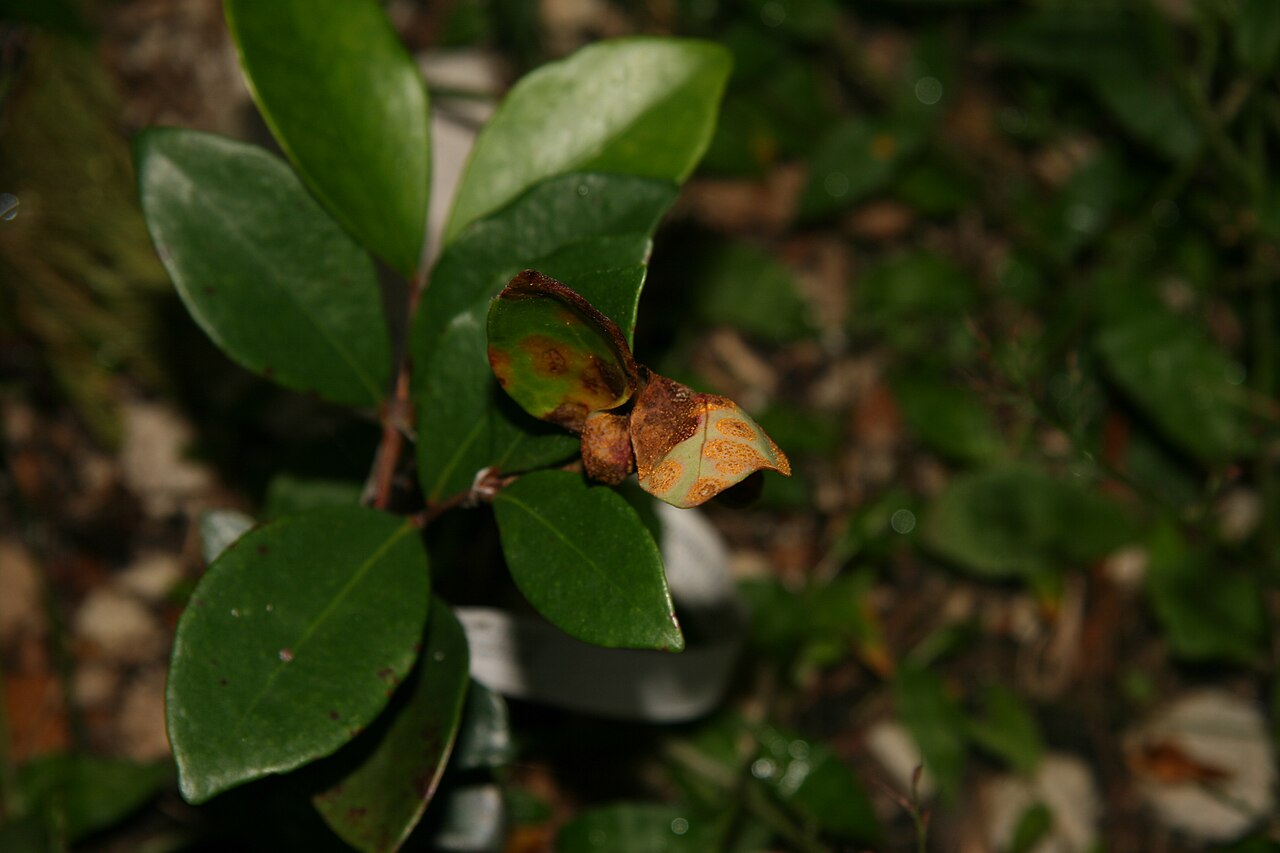
- Yellow Pustules: The most distinctive symptom is the appearance of bright yellow, powdery pustules (spore masses) on new growth. These are typically found on the undersides of young leaves, but can also occur on stems, flowers, and fruit.
- Leaf Distortion and Damage: Infected leaves may become distorted, crinkled, or curled. As the disease progresses, the pustules can turn brown or grey, and the affected tissue may die back.
- Shoot Dieback: Severe infections can lead to the dieback of young shoots and branches.
- Stunted Growth: Repeated infections can weaken the plant, leading to stunted growth and reduced vigor.
- Plant Mortality: In highly susceptible species, especially young plants, severe myrtle rust disease can lead to plant death.
How Myrtle Rust Spreads
The spores of *Austropuccinia psidii* are easily spread by:
- Wind: Spores can travel long distances on air currents.
- Water: Rain splash and irrigation can move spores between plants.
- Humans and Animals: Spores can cling to clothing, tools, vehicles, and even animals, facilitating long-distance dispersal.
- Infected Plant Material: Movement of infected plants or plant parts.
Management and Prevention Tips
Managing myrtle rust disease requires a multi-faceted approach, often involving local agricultural authorities, especially since it's a declared pest in many regions:
- Early Detection and Reporting: Regularly inspect your myrtle plants, particularly new growth. If you suspect myrtle rust, contact your local plant health authority or extension service immediately for identification and advice. Do not attempt to treat or remove infected material without guidance, as this could inadvertently spread the disease.
- Sanitation: If confirmed and instructed to do so, carefully remove and dispose of infected plant material according to local guidelines (often double-bagging and sending to landfill, not composting). Disinfect tools after use with a bleach solution or rubbing alcohol.
- Cultural Practices:
- Ensure good air circulation around plants by appropriate spacing and pruning.
- Avoid overhead irrigation, which can help spread spores. Water at the base of the plant.
- Maintain overall plant health through proper watering, fertilization, and soil conditions to enhance natural resistance.
- Resistant Varieties: Where available, choose myrtle varieties or other Myrtaceae species known to have higher resistance to myrtle rust.
- Fungicides: In some cases, and under the guidance of experts, specific fungicides may be used to protect high-value plants or control outbreaks. Always follow label instructions and local regulations.
- Biosecurity: Be cautious when acquiring new plants. Inspect them thoroughly for any signs of disease before introducing them to your garden.
Proactive Plant Health: Beyond Specific Diseases
Whether you're concerned about "myrtle rust disease" or other potential issues, a proactive approach to plant health is your best defense. Healthy plants are inherently more resilient and better able to withstand stress from pests and pathogens.
- Right Plant, Right Place: Ensure your myrtle is planted in conditions that meet its specific needs for sunlight, soil type, and drainage.
- Balanced Nutrition: Provide appropriate nutrients without over-fertilizing, which can promote lush, soft growth that is more susceptible to some diseases.
- Proper Watering: Water deeply and infrequently, allowing the soil to dry out between waterings. Avoid waterlogging.
- Good Air Circulation: Space plants adequately and prune to open up the canopy, especially important in humid climates.
- Regular Inspection: Make it a habit to regularly examine your plants for any unusual changes in foliage color, texture, growth, or the presence of pests. Early detection often means easier management.
- Cleanliness: Keep your garden free of fallen leaves and debris, which can harbor pests and disease spores. Disinfect pruning tools before and after use on different plants.
Conclusion
The journey to finding "myrtle rust disease info" might initially lead to a puzzling absence in some classic gardening guides. This discrepancy underscores the importance of understanding the scope of different horticultural resources. While foundational guides excel at providing comprehensive knowledge on general myrtle cultivation and care, specific threats like myrtle rust often require consulting targeted, regionally relevant information. By combining the timeless wisdom of general myrtle care with informed awareness of specific threats like *Austropuccinia psidii*, gardeners can cultivate thriving myrtle plants and contribute to the overall health of their local ecosystems. Always stay informed, consult local experts, and practice excellent plant hygiene to ensure your myrtle trees remain healthy and vibrant.